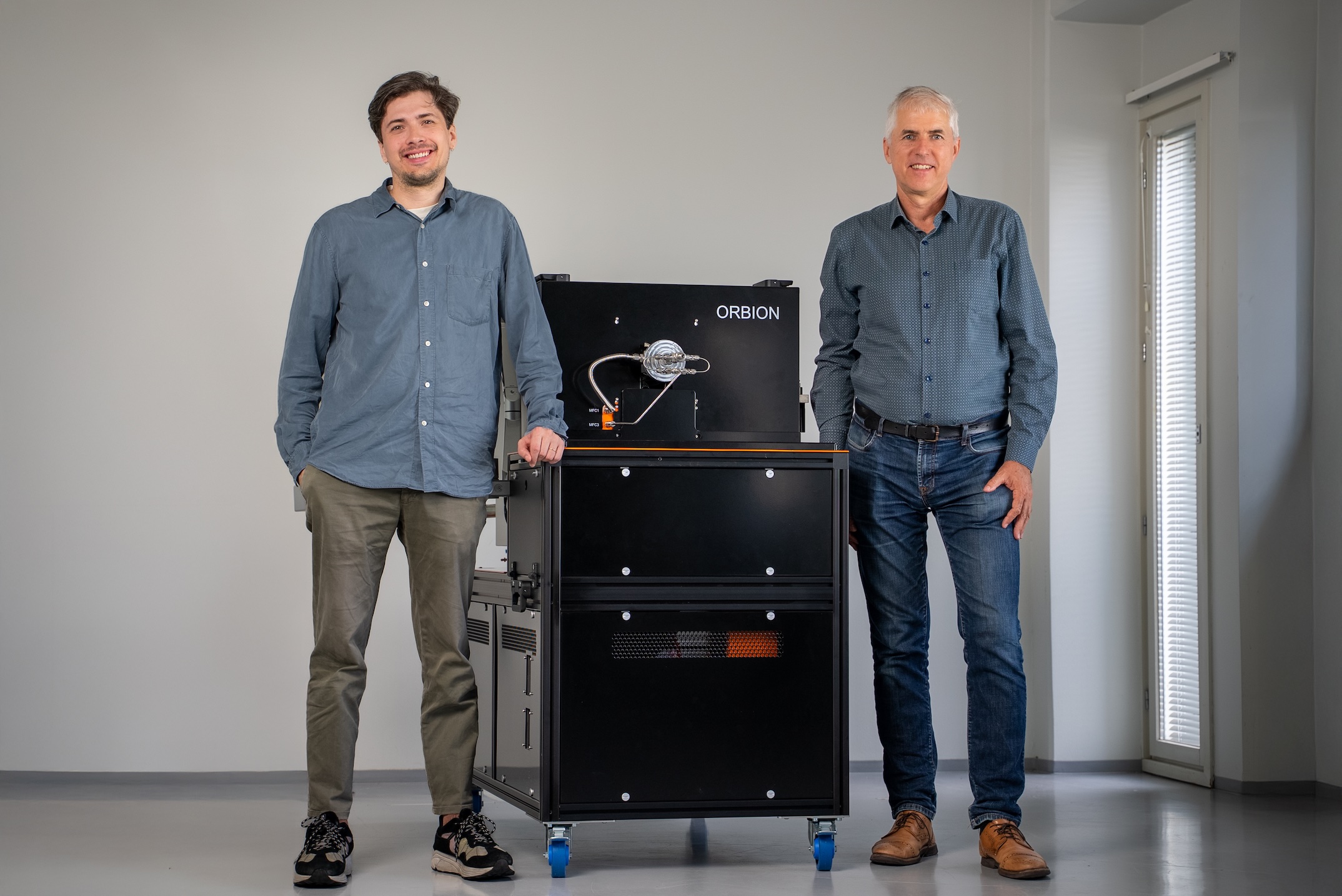
Orbion Launch Webinar — On-Demand Recording Now Available
The recording of our Orbion Launch Webinar presented by Aleksei Shcherbinin and H.J. Jost is now available for on-demand viewing.
This 45-minute session introduces Orbion, Karsa’s fully integrated High-Resolution Multi-Pressure Chemical Ionization mass spectrometer (HR-MPCIMS) platform for air and environmental analysis.

Application Note: Rapid, Ultra sensitive Detection of Atmospheric Organonitrates
Organonitrates play a pivotal role in atmospheric chemistry: they regulate the NOₓ budget, drive secondary organic aerosol formation, and act as reservoirs for long-range nitrogen transport. Measuring these compounds at ultra-trace levels in humid, chemically complex air remains a significant analytical challenge.

Analytical Chemistry: Uronium Enables Sustainable Ultrasensitive Detection of Amines and Semivolatiles
Karsa researchers, together with partners in Helsinki and Tampere, have published in Analytical Chemistry a new method for sustainable, ultrasensitive detection of amines and semivolatiles. Using X-ray desorbed solid urea, the team achieved attomole-level sensitivity with stable operation across humidity conditions with all solid-state reagents.

White paper: The Next Decade of Atmospheric Science Will Be Driven by High-er Resolution
This white paper explains how insufficient resolution leads to ambiguity—and how new high-resolution mass spectrometry is essential for identifying what truly matters in air chemistry.
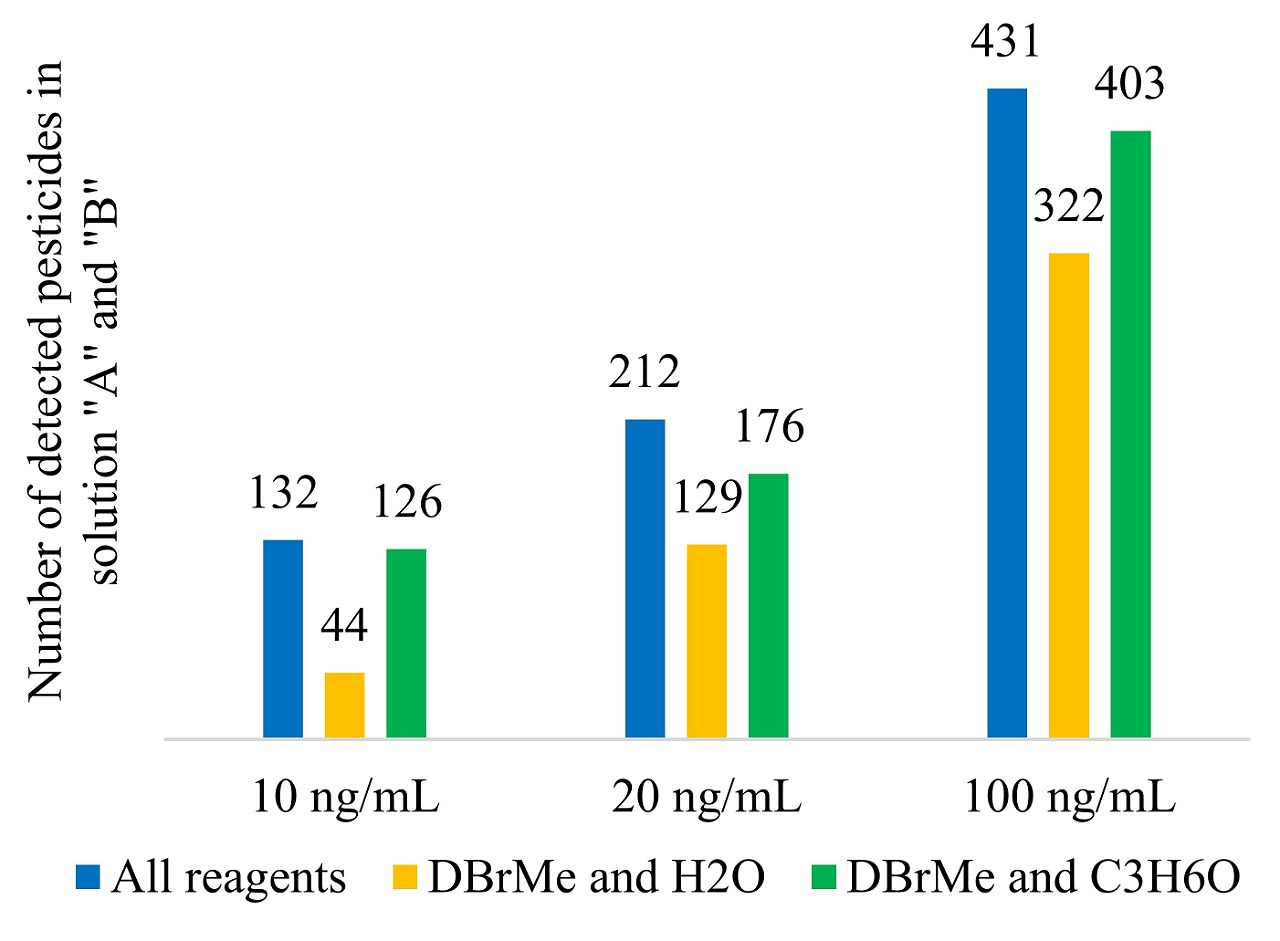
ACS Omega: Ambient-Pressure Multischeme Chemical Ionization for Pesticide Detection
This article investigates the use of a Multischeme Chemical Ionization Inlet (MION) combined with Orbitrap mass spectrometry to study the detection of pesticides in both standard mixtures and fruit extracts. Across 651 pesticides tested, the method detects 447 compounds at 100 ng/mL, 218 at 20 ng/mL, and 136 at 10 ng/mL.

Mobile Orbitrap Mass Spectrometry: Stability and Performance in Motion
Historically, Orbitrap mass spectrometers have been considered large, power-intensive, and lab-bound instruments -- but times have changed!

Nature: Study of new particle formation from isoprene using MION
A December 2024 Nature study reveals how isoprene emissions drive new particle formation in the upper troposphere. A MION2-CIMS provided key measurements, detecting species critical to nucleation and growth under extreme conditions.

Analytical Chemistry: Introducing Multi-Pressure Chemical Ionization Mass Spectrometry
MPCIMS enables simultaneous detection of Volatile Organic Compounds and their oxidized reaction products within a single gas stream.


